Your Nose is Wired Directly to Your Emotions
Unlike sight or sound, scent has a direct, unfiltered pathway to your brain's limbic system — the region responsible for emotions, memories, and behavior. This is why a single whiff of a familiar smell can instantly transport you back to a childhood memory or change your entire mood in seconds.
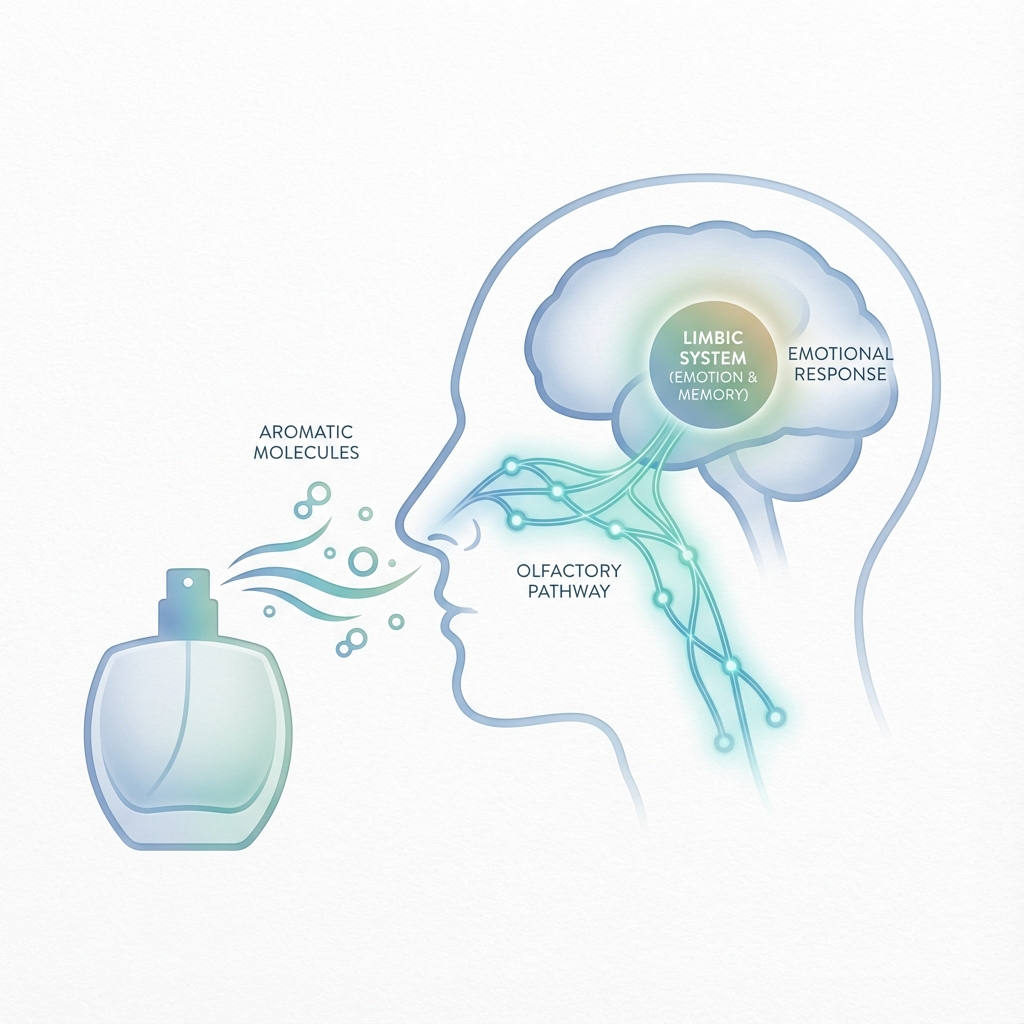
"75% of daily emotions are generated by smell — more than sight, touch, or sound."
Research published in Frontiers in Psychology found that exposure to pleasant scents can improve mood by up to 40%. Specific fragrances trigger the release of neurotransmitters like serotonin, dopamine, and endorphins — the same chemicals associated with happiness and well-being.[1]
How Scent Affects Driving Performance
This isn't just theory — multiple scientific studies have measured the direct impact of scents on driver alertness, reaction time, and even crash rates.
Key Findings:
- University of Sussex Study: Rose scent reduced simulated car crashes by 64%. The musky smell of civet reduced accidents by 46%.[2]
- NIH/MDPI Study (2023): Peppermint, grapefruit, and lavender scents significantly reduced EEG indicators of driver fatigue. Grapefruit had a quicker effect; lavender had longer-lasting benefits.[3]
- Lemon Fragrance: Shown to improve braking performance in driving simulators and increase alertness.[4]
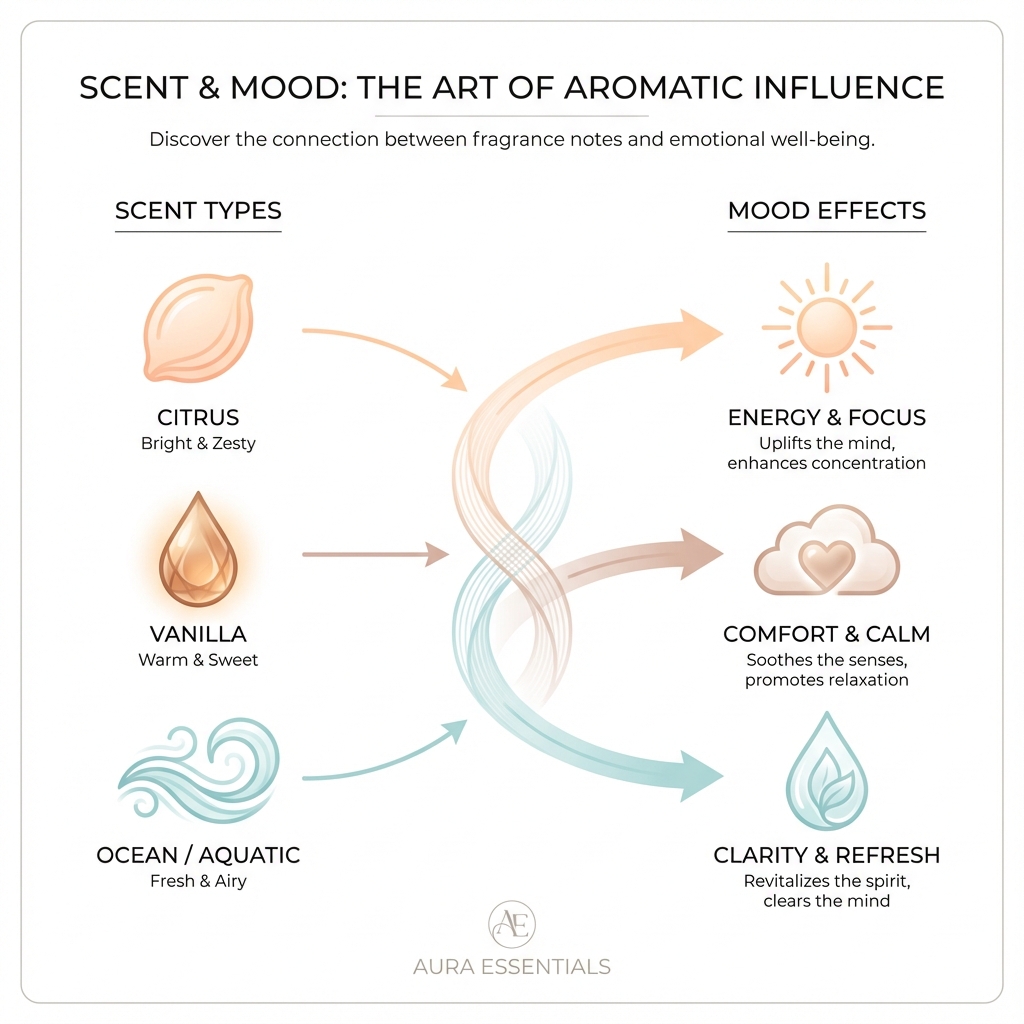
Scent Effects at a Glance
| Scent Family | Proven Effect | Source |
|---|---|---|
| Citrus (Lemon, Orange) | Increases alertness, focus, happiness; boosts productivity by 54% | NIH, Frontiers in Psychology |
| Vanilla | Reduces anxiety, promotes relaxation and comfort | Psychology Today, NIH |
| Ocean/Aquatic (Sea Salt, Eucalyptus) | Promotes mental clarity, reduces fatigue | ResearchGate, MDPI |
| Lavender | Reduces stress, induces calm (use moderately to avoid drowsiness) | University of Sussex |
| Peppermint | Enhances alertness, cognitive function, reaction time | NIH, MDPI |
Your Scent Preference Reflects Your Personality
Research in fragrance psychology suggests a link between the scents people prefer and their personality traits. Studies using the Big Five personality model and Myers-Briggs Type Indicator have found consistent patterns.[5]
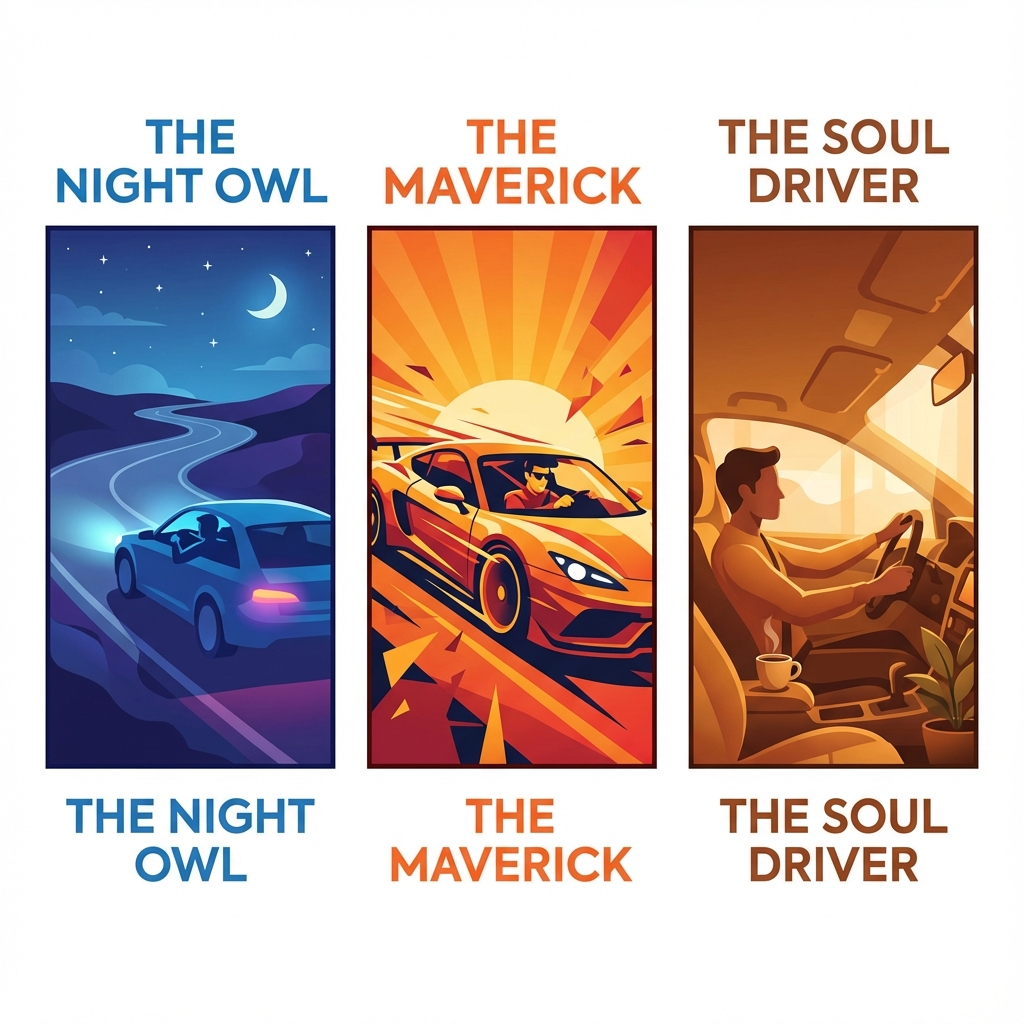
Personality-Scent Correlations:
- Extroverts gravitate toward bold, citrusy scents (Citrus Burst → The Maverick).
- Introverts prefer warm, heavier scents like vanilla and sandalwood (Vanilla Bliss → The Soul Driver).
- Seekers of clarity choose clean, aquatic scents (Ocean Breeze → The Night Owl).
"Fragrance choices can subtly communicate one's inner world, identity, state of mind, and intentions."
Why We Built "Drive DNA"
At SUVÁS, we didn't want to just sell car fragrances. We wanted to help you find the scent that fits who you are — your driving style, your mood, your personality.
The "Drive DNA" quiz is designed using the research above. Each question maps to psychological traits linked to specific scent preferences. The result isn't just a product recommendation — it's a reflection of how you drive and how you want to feel.
References
- [1] Frontiers in Psychology. "The Effect of Fragrance on Emotions and Brain Activity."frontiersin.org
- [2] The Perfume Society. "University of Sussex Study on Scent and Driving Safety."perfumesociety.org
- [3] MDPI / National Institutes of Health. "Aromatherapy and Driving Fatigue: An EEG Study."mdpi.com
- [4] National Institutes of Health. "Effect of Scent on Driving Performance in Simulated Environments."nih.gov
- [5] ResearchGate. "Personality Traits and Fragrance Preferences: A Psychological Study."researchgate.net